The average UK household puts around £1,800 a month on credit cards. If none of that spending is earning you anything back, you're leaving real money on the table every single month. The best cashback credit cards in the UK turn that everyday spending — groceries, petrol, subscriptions — into cash credited back to your account, with no annual fee eating into your rewards.
This guide ranks the best no-fee cashback credit cards available to UK applicants right now, explains exactly how much you could earn with each one, and tells you which card fits which type of spender. One rule that applies to every card on this list: pay your full statement balance every month. Cashback cards carry representative APRs of 23–35%, which will wipe out months of rewards in a single billing cycle if you carry a balance.
Best Cashback Credit Cards UK at a Glance
Note: Always verify current rates and terms directly with the card issuer before applying, as rates can change.
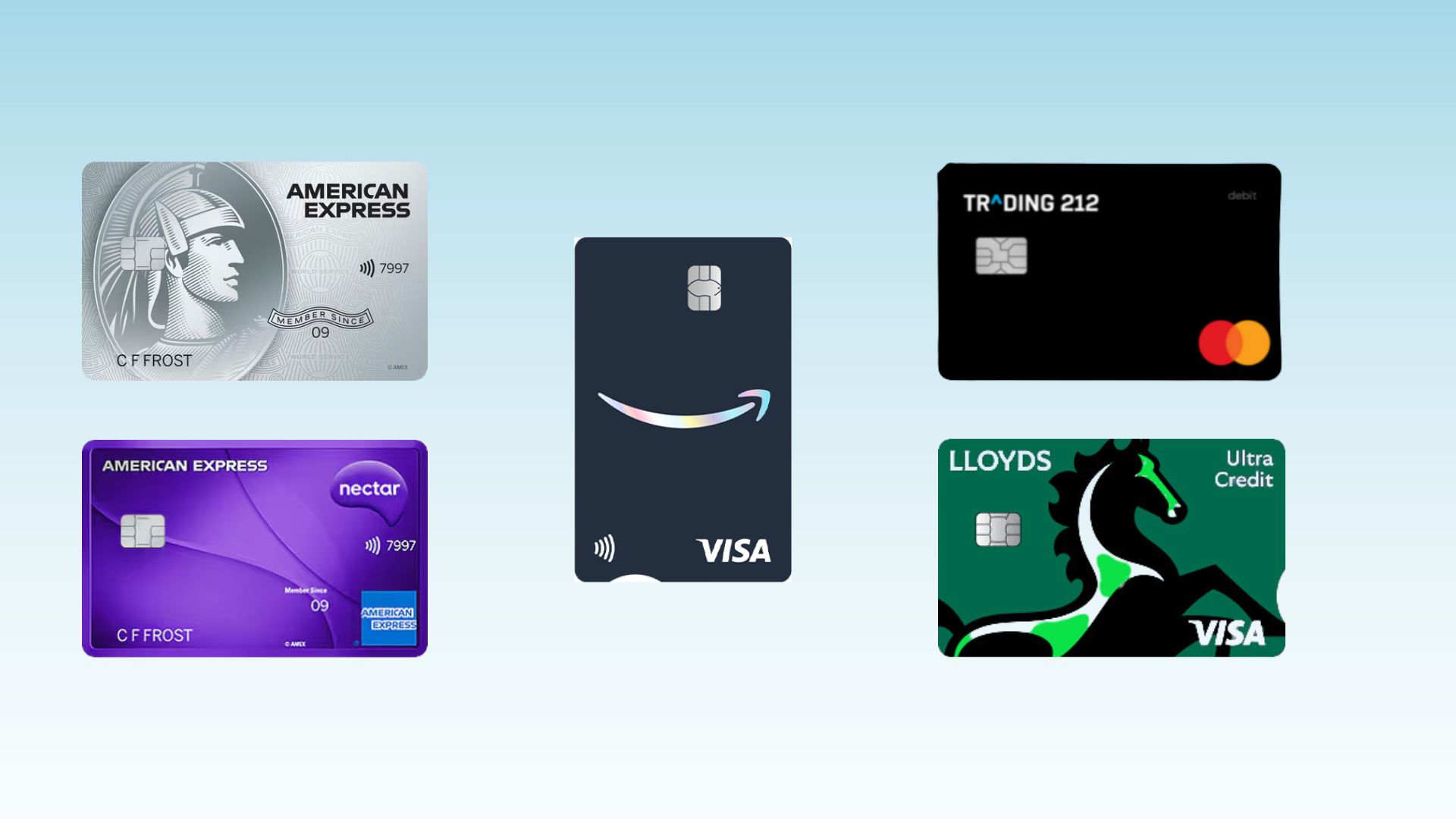
1. American Express Cashback Everyday Credit Card — Best Overall
Annual fee: £0 Ongoing cashback rate: 0.5% on up to £10,000 annual spend; 1% on spending above £10,000 Welcome offer: 5% cashback for the first five months, capped at £125 (new Amex customers only — must not have held a personal Amex in the past 24 months) Minimum income: £15,000 Representative APR: 29.1% variable Acceptance: American Express — widely accepted in supermarkets, high street, and online, but not everywhere
The American Express Cashback Everyday card is the strongest no-fee cashback card available to UK applicants right now, and it isn't particularly close. The 5% introductory cashback rate for new cardmembers — running for five months on up to £2,500 of purchases, capping the bonus at £125 — is the best welcome offer of any free card on the market. After that, the ongoing 0.5% rate on the first £10,000 of annual spending and 1% above that keeps it competitive long after the honeymoon period ends.
There are a few things to understand before applying. Cashback is only paid out once a year, not monthly — it lands in your account at your card anniversary. You need to spend at least £3,000 across the year for any cashback to be paid at all; spend below that threshold and you earn nothing. The 5% welcome offer is only available to people who haven't held any personal American Express card in the last two years, so if you've recently had any Amex product, you won't qualify. Finally, American Express isn't accepted everywhere — smaller independent shops and some service providers still don't take it, so you may need a Visa or Mastercard as a backup for those situations.
For most UK millennials spending between £500 and £1,500 a month on everyday purchases, none of those limitations are deal-breakers. The welcome bonus alone is worth more than a year's worth of rewards on every other free card in this comparison.
Best for: Anyone who doesn't already have an Amex and can meet the £3,000 annual minimum spend. Apply for this one first.
Watch out for: The £3,000 annual minimum spend threshold — if you're likely to fall short, the Barclaycard Rewards card below pays cashback with no minimum spend requirement at all.
2. Barclaycard Rewards Visa — Best for Travel
Annual fee: £0 Ongoing cashback rate: 0.25% on all spending, no cap, no minimum spend Welcome offer: None Minimum income: £20,000 Representative APR: 28.9% variable Acceptance: Visa — accepted almost everywhere in the UK and globally
The Barclaycard Rewards Visa won't win a headline cashback rate competition — 0.25% on all spending is modest by any measure. But it earns that spot through a combination of things no other free cashback card does simultaneously: no foreign transaction fees, no minimum spend requirement, and no annual fee. For anyone who travels regularly or wants a genuine set-and-forget card with zero conditions, it's the most practical choice on this list.
The no foreign transaction fee benefit is the headline. Most credit cards charge 2.75–3% on purchases made outside the UK. On a £1,500 holiday, that's £40–£45 in fees alone — nearly wiping out a year's cashback from most cards. With Barclaycard Rewards, you pay zero, and you earn 0.25% on top of every foreign purchase. It also doesn't charge interest on cash withdrawals abroad as long as you pay your full balance every month, which is genuinely rare.
The 0.25% cashback rate is paid monthly, not annually, which is a practical advantage over the Amex Everyday card — you see your rewards building every month rather than waiting for a lump sum. On £15,000 of annual spending, you'd earn £37.50 a year. That's not going to change your life, but it costs you nothing and requires zero management.
Best for: Regular travellers who want a fee-free card for overseas spending, and anyone who wants the simplest possible cashback card with no minimum spend or annual thresholds.
Watch out for: The £20,000 minimum income requirement is higher than some cards on this list. The 0.25% rate means it should be treated as a backup card alongside a higher-earning option like the Amex Everyday, not a standalone primary card.
3. Amazon Barclaycard — Best for Amazon Shoppers
Annual fee: £0 Ongoing cashback rate: 1% on Amazon purchases (2% for Prime members during Amazon shopping events like Prime Day and Black Friday); 0.5% on all other spending Welcome offer: £20 Amazon gift card on approval, plus additional £10 voucher when you activate in the Barclaycard app Minimum income: Not publicly specified Representative APR: Variable (check Amazon's site for current rate) Acceptance: Visa — accepted almost everywhere
If a significant portion of your monthly spending goes through Amazon — and for a lot of UK millennials, it does — the Amazon Barclaycard earns meaningfully more than any other free card on this list for that specific spending. The 1% base rate on Amazon purchases doubles to 2% for Prime members during shopping events, and the 0.5% rate on all other spending is better than Barclaycard Rewards' standard rate.
The welcome offer is modest by Amex standards — a £20 gift card on approval plus £10 on activation — but unlike the Amex welcome offer, there's no two-year restriction on previous cardholders and no minimum spend to trigger it.
One practical note: this card is only available by applying directly through Amazon, not through comparison sites or Barclaycard's main website. You can check your likelihood of approval on Amazon's site without it affecting your credit file, which is worth doing before making a full application.
Best for: Regular Amazon shoppers, especially Prime members who buy during Prime Day and Black Friday sales. Works well as a secondary card alongside an Amex Everyday for Amazon-specific purchases.
Watch out for: The 0.5% rate on non-Amazon spending is solid but not best-in-class. If most of your spending is outside Amazon, the Amex Everyday will earn you more over a full year.
4. Lloyds Bank Ultra Credit Card — Best for Year-One Spenders
Annual fee: £0 Ongoing cashback rate: 1% for the first 12 months on most purchases worldwide, with no cap; 0.25% thereafter Welcome offer: The 1% for 12 months is effectively the welcome offer Minimum income: Not publicly specified (Lloyds will assess based on application) Representative APR: Variable (check Lloyds' site for current rate) Acceptance: Mastercard — accepted almost everywhere in the UK and globally
The Lloyds Ultra card's appeal is simple: 1% uncapped cashback on almost all spending for the first year, paid as a lump sum each January. For a high spender — someone putting £2,000 or more a month through a card — that's a meaningful £240 in cashback earned in year one with no annual fee attached.
It also has no foreign transaction fees for the first year, making it a reasonable travel companion during the introductory period. Cashback is paid annually each January, regardless of when you opened the account, so if you apply in July, you'll receive roughly six months of cashback in your first January payment rather than twelve.
The catch is what happens in year two. The rate drops from 1% to 0.25% — the same as Barclaycard Rewards — which means the Lloyds Ultra becomes a much less interesting card after month twelve. The practical strategy for people who take this card is to use it as a high earner in year one, then either switch to using your Amex Everyday as the primary card or apply for a new high-earning card when the introductory period expires.
This card is only available by applying directly with Lloyds Bank, not through comparison sites.
Best for: Higher spenders who want to maximise year-one cashback and are comfortable switching strategies after twelve months.
Watch out for: The 0.25% ongoing rate after year one significantly reduces the card's long-term value. Have a plan for what card you'll lead with from month thirteen onwards.
5. Virgin Money Credit Card — Best for Beginners
Annual fee: £0 Ongoing cashback rate: 1% on most purchases for the first three months, then 0.25% on all spending thereafter; capped at £15 cashback per month Welcome offer: The elevated 1% introductory rate is the welcome period Minimum income: Not publicly specified Representative APR: 24.9% variable Acceptance: Visa — accepted almost everywhere
The Virgin Money credit card sits at the lower end of this comparison in terms of cashback potential, but it earns its place for one reason: it has one of the more accessible approval requirements among UK cashback cards, making it a reasonable starting point if you're newer to credit and haven't yet built the profile needed for the Amex Everyday.
The 1% for three months then 0.25% ongoing structure is straightforward. The £15 monthly cap on cashback means the card is designed for moderate spenders rather than high earners. At 0.25% ongoing, spending £6,000 a year earns you £15 back — not transformative, but free money on spending you'd be doing anyway.
The 24.9% representative APR is meaningfully lower than the Amex and Barclaycard offerings, which matters if you're disciplined about paying in full but want a lower-risk card as a financial backstop. That said, the same rule applies here as everywhere else: pay in full every month, or the interest charges will dwarf any cashback earned.
Best for: UK applicants who are newer to credit and want a simple introductory cashback card while building their profile for higher-earning options later. Also useful as a Visa backup for situations where Amex isn't accepted.
Watch out for: The ongoing 0.25% rate and £15 monthly cap make this a stepping-stone card, not a long-term best earner. Once your credit profile is strong enough, apply for the Amex Everyday.
How Much Could You Actually Earn?
Here's what each card earns over a full year for someone spending £1,500 a month (£18,000 annually) — a realistic figure for someone using a card for most everyday purchases including groceries, transport, bills, and online shopping.
Estimates based on £18,000 annual spending across general purchases. Amazon Barclaycard assumes 20% of spending through Amazon. Individual results will vary.
The numbers make a clear case for the Amex Everyday as the primary card for most people. Year one earnings of around £215 with zero fees is comfortably ahead of every other option. In year two, when the welcome bonus is gone, you're earning roughly £90 annually on £18,000 of spending — still the best ongoing rate among free cards for spending under £10,000.
The practical approach many financially savvy UK millennials use is the two-card combination: Amex Everyday for the vast majority of spending (wherever Amex is accepted, which covers most major UK retailers), and a Visa backup — either Barclaycard Rewards if you travel, or Amazon Barclaycard if you shop online heavily — for the minority of places that don't take Amex.
How to Choose the Right Card for You
If you want the single best cashback card with no annual fee: American Express Cashback Everyday. It wins on year-one welcome bonus, has the strongest ongoing rate for people spending under £10,000 annually, and costs you nothing. Apply here first.
If you travel regularly or live abroad part of the year: Barclaycard Rewards. No foreign transaction fees, no annual fee, no minimum spend. Use it for overseas spending and as a Visa backup for UK shops that don't take Amex.
If you do the majority of your shopping on Amazon: Amazon Barclaycard alongside an Amex. Use Amazon's card for Amazon purchases (1–2% depending on Prime events), Amex everywhere else.
If you're a high spender who wants to maximise year one: Lloyds Ultra. The uncapped 1% for twelve months beats the Amex for very high spenders in the first year (roughly above £2,500/month). Have a strategy for year two.
If you're newer to credit and not sure you'll be approved for Amex: Virgin Money. Lower bar to entry, straightforward cashback, and a solid starting point before moving to higher earners once your credit profile strengthens.
Important: Before applying for any of these cards, check whether you're likely to be approved without leaving a mark on your credit file. Most major UK lenders now offer a soft eligibility check on their websites — use these first. Multiple hard applications in a short period will damage your credit score.
The Bottom Line
For most UK millennials, the answer is the American Express Cashback Everyday Credit Card — no annual fee, the best welcome bonus of any free card on the market at up to £125, and an ongoing cashback rate that stays competitive year after year. Use it wherever Amex is accepted, pair it with a Barclaycard Rewards Visa for travel and any shops that don't take Amex, and pay both in full every month.
The market has shifted in 2026. Chase cut its widely praised 1% cashback debit card to just groceries, transport, and fuel in April 2026. Santander made significant changes to its Edge cashback structure. That's actually good news for credit card users — it makes the Amex Everyday's position as the top no-fee cashback option even clearer than it was a year ago.
Start earning on your existing spending. It costs you nothing, takes ten minutes to apply, and pays you every year you hold the card.
Rates and terms correct as of July 2026. Credit card rates are variable and subject to change. Always check current terms directly with the card issuer before applying. Credit is subject to status — eligibility is not guaranteed.
Frequently Asked Questions
Written by
Harshal Chaklasiya
Editorial contributor at Blynter. Passionate about personal finance, investing, budgeting, and creating practical money guides that help readers make smarter financial decisions.