Your credit score is a three-digit number that lenders use to decide whether to approve you for a credit card, car loan, mortgage, or apartment — and at what interest rate. In the US, that number sits between 300 and 850. The higher it is, the better the deals you qualify for.
So what counts as a good credit score in the US? According to FICO — the scoring model used by around 90% of top lenders — a good credit score starts at 670. <cite index="28-1">The average FICO score in the US was 713 in 2025</cite>, which sits firmly in the "Good" range. If your score is at or above that, you are ahead of roughly half the country.
FICO Score Ranges Explained
The Good range (670–739) is where most adults sit. You can rent apartments, get decent car loan rates, and qualify for most reward credit cards from this level. The Very Good and Exceptional ranges unlock meaningfully lower interest rates — which on a 30-year mortgage can translate to tens of thousands of dollars saved over the life of the loan.
What Each Score Range Actually Gets You
Below 580 (Poor): Most banks and card issuers will decline a standard application. Your realistic options are secured credit cards — where you put down a deposit as collateral — and credit-builder loans. These are not bad products; they exist specifically to help you build history and move up the scale.
580–669 (Fair): You can get approved for some credit cards and personal loans, but you will pay higher APRs than someone in the Good range. A score here means lenders see you as a moderate risk. Consistent on-time payments and keeping balances low will move you into Good within 12–18 months.
670–739 (Good): This is the entry point for most mainstream financial products. You qualify for unsecured credit cards, standard car loans, and most apartment applications. Interest rates are reasonable, though not the lowest available.
740–799 (Very Good): At this level you unlock preferential rates. You will be approved faster, offered better credit limits, and charged less interest on loans than someone in the Good range. Most premium travel credit cards require a score in this range.
800+ (Exceptional): <cite index="36-1">24% of Americans have an exceptional score of 800 or above.</cite> Lenders treat this as the gold standard — you will receive the best available rates, the highest credit limits, and the fastest approvals on virtually any financial product.
What Affects Your Credit Score?
FICO calculates your score using five factors. Knowing their weight tells you exactly where to focus your energy:
- Payment history — 35%. The single biggest factor. One missed payment (30+ days late) can drop your score by 60–110 points.
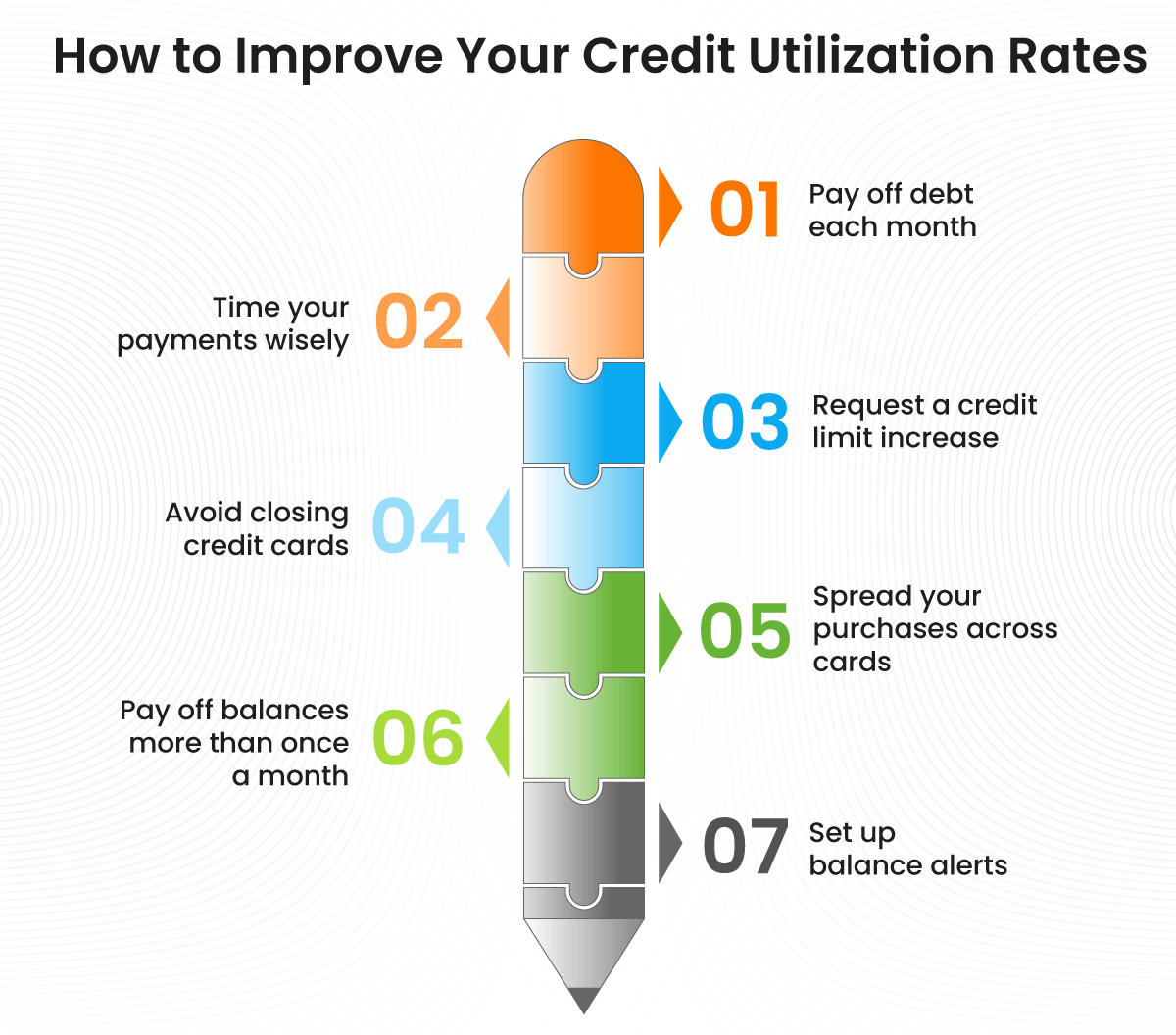
- Credit utilization — 30%. How much of your available credit limit you are using. Keep it under 30% — ideally under 10% if you are chasing a higher score.
- Length of credit history — 15%. Older accounts help your score. Do not close your oldest card.
- Credit mix — 10%. Having both a credit card and an installment loan (car loan, student loan) shows you can manage different types of credit.
- New credit — 10%. Every application creates a hard inquiry that temporarily dips your score by 3–5 points. Space applications out.
The fastest two moves: never miss a payment (set up autopay), and bring your credit card balances below 30% of your limit. Do both consistently and your score will rise steadily.
How to Check Your Credit Score for Free
- Your credit card app — Discover, Capital One, Chase, and Citi all show your FICO score for free each month inside the app.
- Credit Karma — free VantageScore from Equifax and TransUnion, updated weekly.
- Experian's free account — free monthly Experian FICO score plus Experian Boost to add utility payments.
- AnnualCreditReport.com — the federally authorised site to pull your full credit report from all three bureaus, free weekly. Use this once a year to check for errors.
If you spot an error on your report — a late payment that was actually paid on time, or an account that is not yours — dispute it directly with the bureau. They are legally required to investigate within 30 days.
The Bottom Line
A good credit score in the US starts at 670 — but 740 is where the real benefits begin. Check your score for free through your credit card app or Credit Karma, keep your balances low, and never miss a payment. Those two habits alone will move your score up reliably over time.
If you are building from scratch, start here: How to build credit from scratch in the US. Already have a score and looking for your first card? See our best credit cards for college students.
Sources:
Get Your FICO Score
Written by
Harshal Chaklasiya
Editorial contributor at Blynter. Passionate about personal finance, investing, budgeting, and creating practical money guides that help readers make smarter financial decisions.