If you've never had a credit card or a loan, you've run into one of the most frustrating things in American personal finance: you can't get credit without a credit history, but you can't build a credit history without credit. It feels like a trap designed specifically for beginners.
It isn't — and it's easier to escape than most people think.
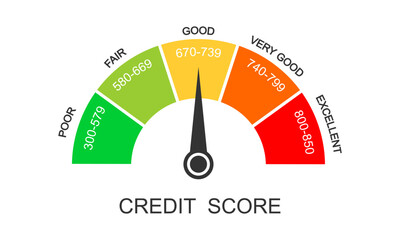
There are several proven ways to build credit from scratch in the US, even if you've never borrowed a dollar in your life. This guide walks you through exactly how to do it, which methods are fastest, what mistakes will set you back, and how to track your progress for free. With the right moves, you can go from zero to a "Good" credit score — 670 or above — within 12 to 18 months.
Why Your Credit Score Matters More Than You Think
A lot of people in their late teens and early twenties think credit scores are something to worry about later — when they want a mortgage or a car loan. That's understandable, but it's also the reason many people end up scrambling at exactly the wrong moment.
Your credit score affects your life in ways that have nothing to do with borrowing money. When you try to rent your first apartment, most landlords pull your credit report before they even consider your application. No score means automatic rejection by a huge chunk of the rental market, or it means paying a much larger security deposit than your neighbors. When you sign up for a phone plan, carriers run credit checks for post-paid contracts — no credit often means prepaid-only or putting down several hundred dollars upfront. Many US auto insurance companies use credit scores to calculate your premium, meaning a thin credit file can cost you 50–100% more per year than someone with identical driving habits who simply started building credit earlier.
Beyond the practical day-to-day impact, credit score affects the cost of every major purchase you'll make over the next decade. The difference between a 620 score and a 760 score on a 30-year mortgage can easily amount to $80,000–$120,000 in total interest paid. The time to start building credit is before you need it.
What "No Credit History" Actually Means
No credit history means you have no accounts — no credit cards, no loans, no lines of credit — that have been reported to the three major credit bureaus: Experian, Equifax, and TransUnion. FICO, the scoring model used by around 90% of top lenders, won't generate a score for you until at least one of your accounts has been open and actively reported for six months. Until then, you're effectively invisible to the credit system.
This is sometimes called being "credit invisible," and it affects tens of millions of Americans — not just young people. Recent immigrants, adults who grew up in cash-only households, and people who've spent years off the credit grid are all in the same position.
Before assuming you have zero history, it's worth checking. If a parent or relative ever added you as an authorized user on their credit card, that account's history may already appear on your report. You can check your full credit report for free at AnnualCreditReport.com — the only official site authorized by federal law to provide free reports from all three bureaus.
6 Proven Ways to Build Credit from Scratch
You don't need to do all of these. Pick one or two that fit your situation, be consistent, and your score will follow.
1. Open a Secured Credit Card
A secured credit card is the most reliable starting point for anyone with no credit history, and for good reason — it works the same way as a regular credit card in every way that matters to your credit score, with one difference: you put down a cash deposit upfront that acts as your credit limit.
Here's how it works in practice. You deposit $200–$500 with the card issuer. That deposit becomes your credit limit. You use the card for small, everyday purchases — groceries, gas, a streaming subscription — and pay the balance in full each month. The issuer reports your payment activity to all three credit bureaus every month, and your credit score starts building. After 7–12 months of responsible use, most secured card issuers will review your account and upgrade you to a regular unsecured card, then return your deposit.
The best secured card available right now is the Discover it® Secured Credit Card. There's no annual fee, it earns 2% cashback at gas stations and restaurants (on up to $1,000 in combined purchases per quarter) plus 1% on everything else, and Discover reviews your account starting at 8 months to see if you qualify for an upgrade. That combination — no fee, actual rewards, and a clear path to an unsecured card — is rare among secured cards.
The secured Chime Visa® Credit Card is worth considering if you want the simplest possible option with zero barriers. There's no credit check required, no annual fee, no interest charges, and it requires a Chime checking account. It reports to all three bureaus, which is the key thing. The tradeoff is that rewards are minimal and there's no upgrade path to an unsecured card.
The Capital One Platinum Secured Credit Card offers flexible deposit requirements — you may qualify for a $200 credit limit with a deposit as low as $49, $99, or $200 depending on your creditworthiness — and Capital One automatically considers you for a higher credit line after six months of on-time payments.
Whichever secured card you choose, the strategy is the same: use it for small purchases you'd be making anyway, pay the full statement balance every month, and don't touch more than 30% of your credit limit at a time. Do that consistently and you'll have a real credit score within six months.
2. Become an Authorized User on a Family Member's Card
If you have a parent, older sibling, or trusted relative with a long, clean credit history, this is the fastest single move available to you. When they add you as an authorized user on their credit card account, that account's entire history — every on-time payment, the age of the account, the credit limit — gets added to your credit report. You don't have to use the card, make any payments, or even hold the physical card in your hands for this to work.
The impact can be significant and fast. If your family member has a credit card that's been open for 10 years with a perfect payment record, your credit report could show a decade of credit history within one billing cycle — roughly 30 days. That's enough to generate an initial FICO score for many people.
The risk runs in both directions. If the primary cardholder misses a payment or maxes out the card, that negative activity can appear on your report too. This strategy only works in your favor if the person adding you has genuinely excellent financial habits. Have that conversation honestly before agreeing.
Not every card issuer reports authorized user activity to all three bureaus — most major issuers (American Express, Chase, Citi, Capital One, Discover) do, but it's worth confirming with the issuer before counting on it.
3. Apply for a Student Credit Card
If you're currently enrolled in college, a student credit card is worth considering before a secured card because it doesn't require a deposit. Student cards are unsecured — meaning the issuer extends you credit without holding collateral — but they're specifically designed for people with no credit history and have much lower approval requirements than standard cards.
The catch is the CARD Act of 2009, which requires applicants under 21 to show independent income or have a co-signer to get approved. Part-time job wages, freelance income, work-study pay, and financial aid refunds all count toward your income for this purpose. If you have any of those, you're eligible.
The best student cards right now are the Discover it® Student Cash Back (5% rotating category cashback, no annual fee, Discover matches all cashback earned in your first year) and the Capital One SavorOne Student Cash Rewards Credit Card (3% back on dining, entertainment, grocery stores, and streaming — fixed categories with no activation required). Both report to all three bureaus and are specifically designed for first-time cardholders.
If you're a student, see our full comparison: Best Credit Cards for College Students USA 2025.
4. Take Out a Credit-Builder Loan
A credit-builder loan is unusual because the whole point of it isn't to get money — it's to build credit. Here's how it works: you apply for a small loan, typically $300–$1,500. Instead of receiving that money, the lender holds it in a savings account while you make monthly payments over 12–24 months. When you've made the final payment, you receive the full loan amount (minus interest). The lender reports every payment to the credit bureaus throughout the term, building your payment history month by month.
The result is that you end up with a credit history and a small amount of savings at the same time — which is why credit-builder loans appeal to people who want to build credit without relying on credit cards at all.
Self (formerly Self Lender) is the most widely available option, offering loan amounts of $520–$3,240 across 12 or 24-month terms with monthly payments ranging from around $25 to $150. After making on-time payments for six months, you can apply for the Self Visa® Secured Credit Card using a portion of your savings as the deposit, which adds a revolving account to your credit mix.
Credit unions often offer credit-builder loans with lower interest rates than online lenders — if you're a member of a local credit union, ask them directly. Rates typically run 5–16% APR, which means you'll pay slightly more than you receive, but you're essentially paying a modest fee to build your credit history with a savings component attached.
5. Use a Fintech Credit-Builder App
Several newer financial apps have built credit-building tools specifically for people who can't or don't want to deal with traditional secured cards or loans. The mechanics vary, but the basic idea is the same: the service creates a small credit account in your name, manages the payment activity automatically, and reports it to the credit bureaus.
Experian Boost is the most accessible — it's completely free, takes about five minutes to set up, and lets you add your rent, utility bills, and streaming subscriptions (Netflix, Hulu, Disney+, HBO Max) to your Experian credit file. Payments you've already been making start appearing as positive credit history. The limitation is that it only affects your Experian score, not Equifax or TransUnion, so it's most useful as a supplement to other methods rather than a standalone strategy.
Kikoff works by giving you a small line of credit ($750) that you use to make a $10 monthly subscription payment, which Kikoff reports to Equifax and Experian. There's a $5/month fee. It's minimal but painless for people who've been rejected elsewhere.
These tools are best used alongside a secured card rather than as replacements. They're useful for bumping your score when you're close to a threshold, or for adding credit history to bureaus where your primary card doesn't report.
6. Get Credit for Bills You Already Pay
If you're already paying rent consistently, you're sitting on a credit-building asset you may not be using. Rent payments don't automatically appear on your credit report — but services like Rental Kharma, Rent Reporters, and Experian RentBureau can add your rent payment history (sometimes going back two years) to your credit file for a monthly fee of around $6–$10.
Experian Boost, mentioned above, also covers utilities and streaming services for free — though again, Experian only.
This method works best as a complement to a secured card or credit-builder loan, not as your primary strategy. The bureaus it reaches are limited, and rent reporting services have varying levels of recognition across different lenders. But if you're paying rent on time every month and not getting credit for it, there's no reason not to start.
Which Method Is Fastest?
The fastest combination is to become an authorized user on a family member's long-standing card and simultaneously open a secured credit card in your own name. The authorized user route can add years of positive history to your report within a single billing cycle, while the secured card starts building fresh payment history under your own name from day one. Together, they hit credit age, payment history, and utilization — the three biggest FICO factors — at the same time.
If no family option is available, a secured card alone is the most reliable single strategy. It's universally accessible, it upgrades to an unsecured card, and it teaches the habits — paying in full, keeping utilization low — that will serve you for life.
5 Mistakes That Will Destroy Your Credit Before It Starts
Building credit is genuinely straightforward if you avoid a handful of specific errors. These are the ones that most commonly derail beginners.
Missing a payment — even once. Payment history is 35% of your FICO score — the single largest factor in the entire model. One payment that goes 30 or more days past due can drop a new credit score by 60–110 points and stays on your credit report for seven years. The fix is simple and takes two minutes: set up autopay for at least the minimum payment on every account the day you open it. Better still, set autopay for the full statement balance so you never pay interest either.
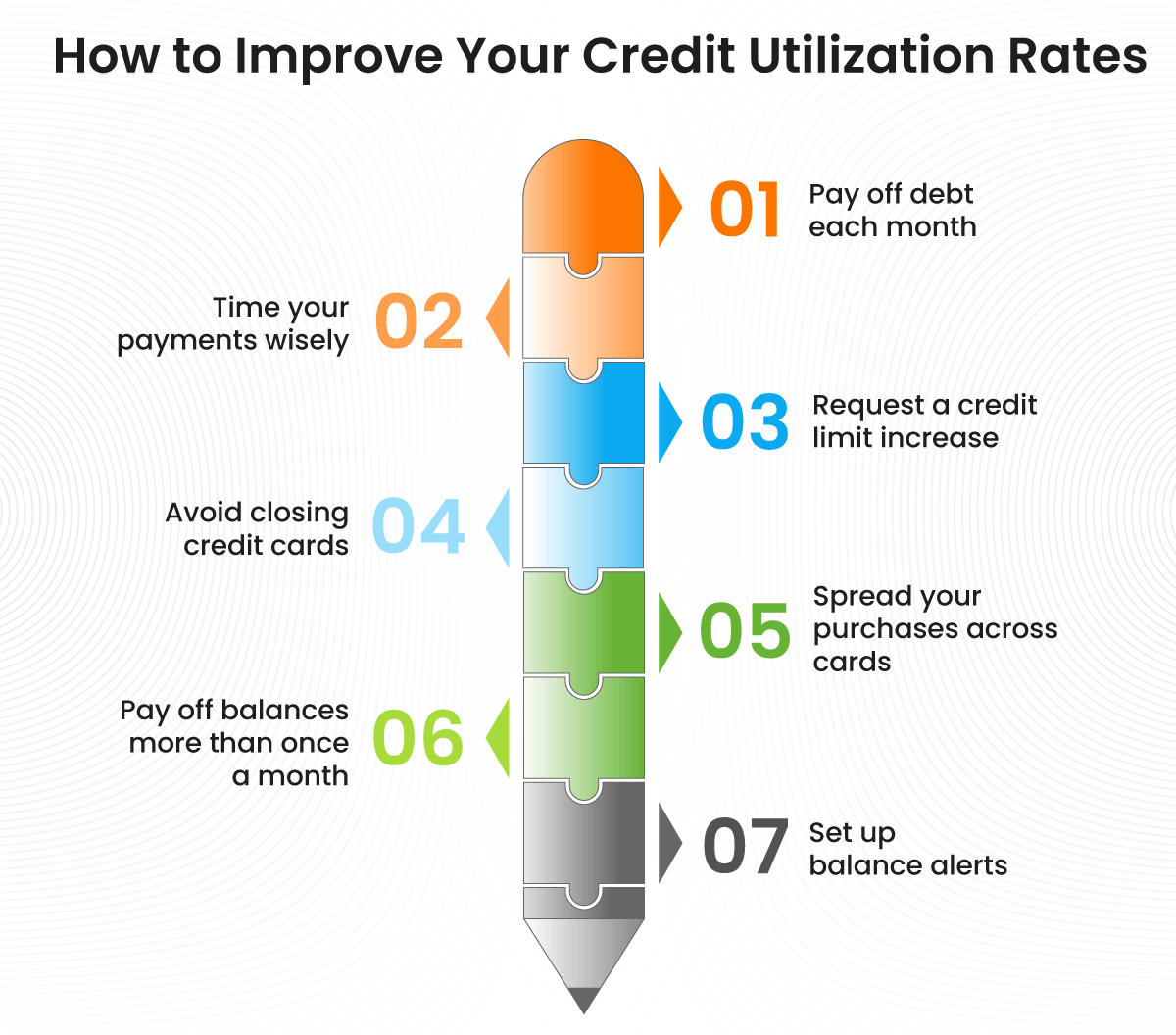
Maxing out your credit limit. Credit utilization — the percentage of your available credit you're using — accounts for 30% of your FICO score. Using more than 30% of your limit hurts your score noticeably; using more than 50% hurts it significantly. If your secured card has a $300 limit, try to keep your statement balance under $90. If you need to spend more in a given month, make a mid-cycle payment to bring the balance down before your statement closes. People with the highest credit scores tend to keep utilization below 10%.
Applying for multiple accounts at once. Every credit application triggers a hard inquiry on your credit report, which typically drops your score by 3–5 points and stays visible to lenders for two years. Applying for several cards in a short window signals financial desperation to lenders and often results in all of them being denied, compounding the damage. Choose one account, use it for 6–12 months to establish a track record, then consider adding a second.
Closing your oldest account. Length of credit history accounts for 15% of your FICO score, and it's calculated partly based on the age of your oldest account. If you upgrade from a secured card to an unsecured card, ask the issuer whether your account history transfers — it often does. If you decide you no longer want a card you've had for years, consider leaving it open with a small recurring charge (a streaming subscription, for example) on autopay rather than closing it entirely. The years of history it represents are genuinely valuable.
Only paying the minimum. Paying the minimum keeps you technically current, but the remaining balance accrues interest at 20–30% APR. On a $500 balance at 25% APR, paying only the minimum each month could take years to pay off and cost you more in interest than the original purchases. The interest charges don't hurt your credit score directly, but the debt spiral they create does. Pay the full statement balance every month. If you can't afford to pay it in full, you're spending more than you should be on credit — that's the signal to adjust.
How to Track Your Credit Score for Free
You don't need to pay for credit monitoring to stay on top of your score. Here are the best free options.
AnnualCreditReport.com is the only federally authorized site for free credit reports. You can pull your full report from all three bureaus — Experian, Equifax, and TransUnion — for free, and as of 2023, weekly free reports are permanently available. This shows your complete credit history and any accounts in detail, though it doesn't always show your score. Use this once a year to check for errors or fraudulent accounts.
Credit Karma provides free VantageScore 3.0 scores from Equifax and TransUnion, updated weekly, with no credit card required. VantageScore differs slightly from FICO, but it moves in the same direction and is useful for tracking trends over time.
Your credit card issuer is often the best source. Discover, Capital One, Chase, and Citi all provide your actual FICO score — not just a VantageScore estimate — for free in your monthly statement or app. Once you have any of their cards, check it monthly.
Experian's free account gives you your Experian FICO Score 8 updated monthly, plus Experian Boost to add utility and subscription payments to your file.
Check your full credit report at AnnualCreditReport.com at least once a year specifically to look for errors. Even small inaccuracies — a wrong address, an account that doesn't belong to you, a late payment that was actually paid on time — can suppress your score unfairly. If you spot one, dispute it directly with the bureau through their online dispute center. Bureaus are required by law to investigate and correct verified errors within 30 days.
The Bottom Line
Building credit from scratch is one of the most high-leverage financial moves you can make in your twenties. The effort required is minimal — set up a secured card, pay it off monthly, and leave it alone — but the payoff compounds for decades. Start today and in 12 months you'll have a credit profile that most people take years to build.
The best first step for most people is opening the Discover it® Secured Credit Card — no annual fee, real cashback rewards, and an automatic review for upgrade after eight months. If you're a current college student, a student credit card gets you there without a deposit: see our full guide to the best credit cards for college students in the US.
Frequently Asked Questions
Written by
Harshal Chaklasiya
Editorial contributor at Blynter. Passionate about personal finance, investing, budgeting, and creating practical money guides that help readers make smarter financial decisions.